Introduction
High-Density Polyethylene (HDPE) is one of the most widely used plastics in the world, from bottles and containers to packaging materials. However, with the growing environmental concerns surrounding plastic waste, the importance of recycling HDPE has never been more critical. In this article, we explore the process of transforming waste HDPE plastic into high-quality, recycled HDPE granules and how this process contributes to sustainability while reducing environmental impact.
Recycled HDPE plays a key role in promoting a circular economy, where plastic waste is repurposed into new materials instead of filling landfills or polluting the oceans. The recycling of HDPE not only reduces the demand for virgin plastic but also provides a cost-effective and environmentally friendly alternative for various industries.
What is HDPE and Why Recycle It?
HDPE is a durable, versatile plastic used in a wide range of applications such as packaging, containers, and piping. It is known for its strength, resistance to impact, and ability to withstand harsh weather conditions, making it an ideal material for everyday products. However, despite its widespread use, HDPE has a significant environmental footprint when discarded improperly.
Recycling HDPE helps reduce the environmental impact of plastic waste, conserving resources and minimizing pollution. HDPE is highly recyclable, meaning it can be melted down and repurposed into new products without losing its original properties. This makes it one of the most suitable plastics for recycling, providing a sustainable solution for industries that rely on plastic materials.
The Recycled HDPE Production Process
The journey of recycled HDPE begins with the collection of post-consumer plastic waste, such as bottles, containers, and packaging. Once collected, the waste undergoes a sorting process to separate HDPE from other types of plastics and contaminants.
Cleaning and Preprocessing: The next step involves cleaning the HDPE to remove any dirt, labels, and residues, ensuring that the material is free of contaminants that could affect the quality of the final product. This is a crucial step in ensuring that the recycled HDPE meets the required standards for manufacturing new products.
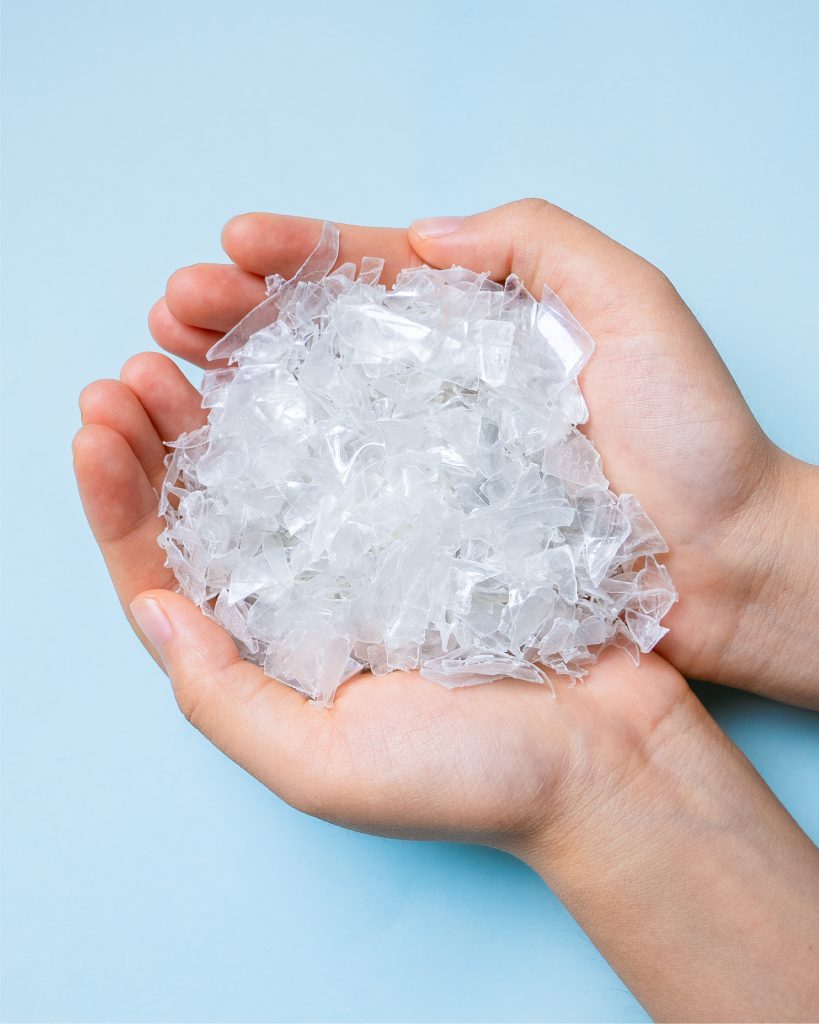
Shredding and Melting: After cleaning, the HDPE is shredded into small pieces, which are then melted to create a uniform, molten plastic. This molten plastic is then processed further to form small, uniform pellets.
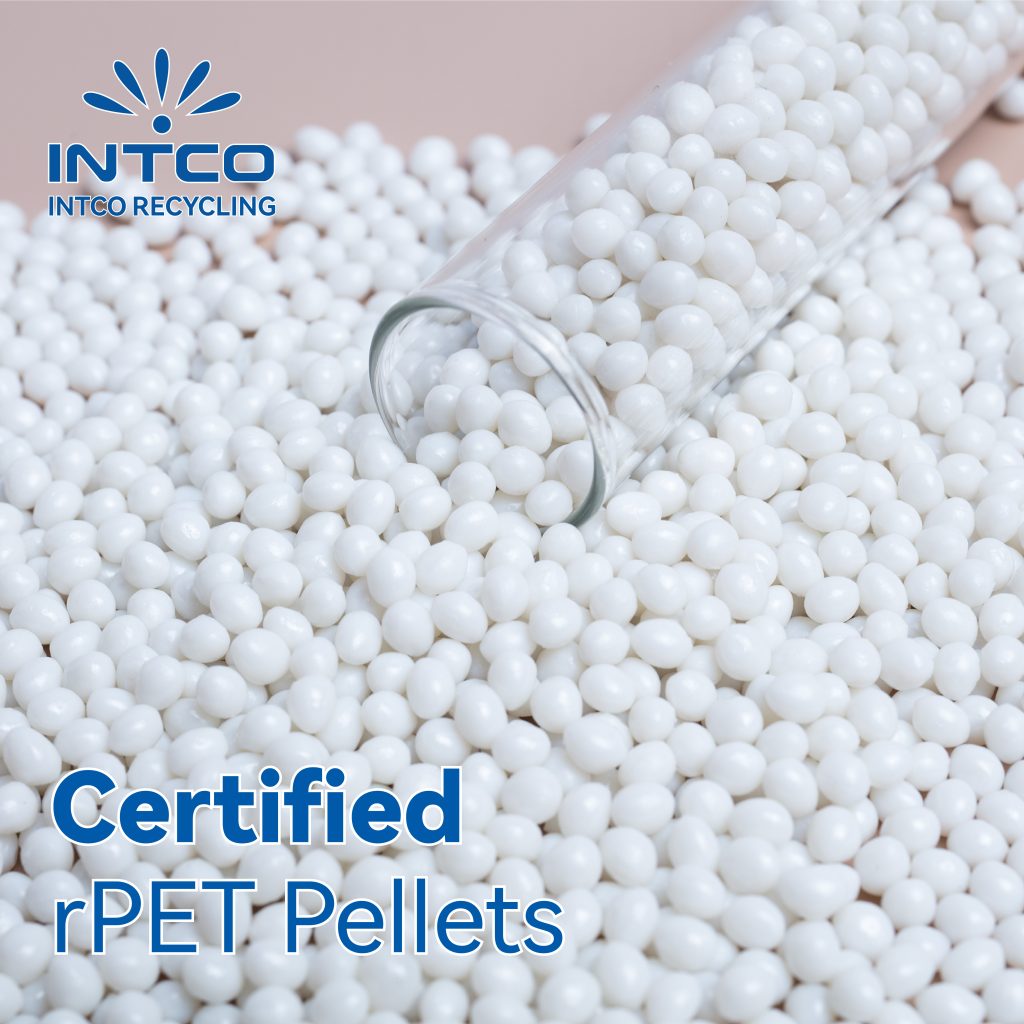
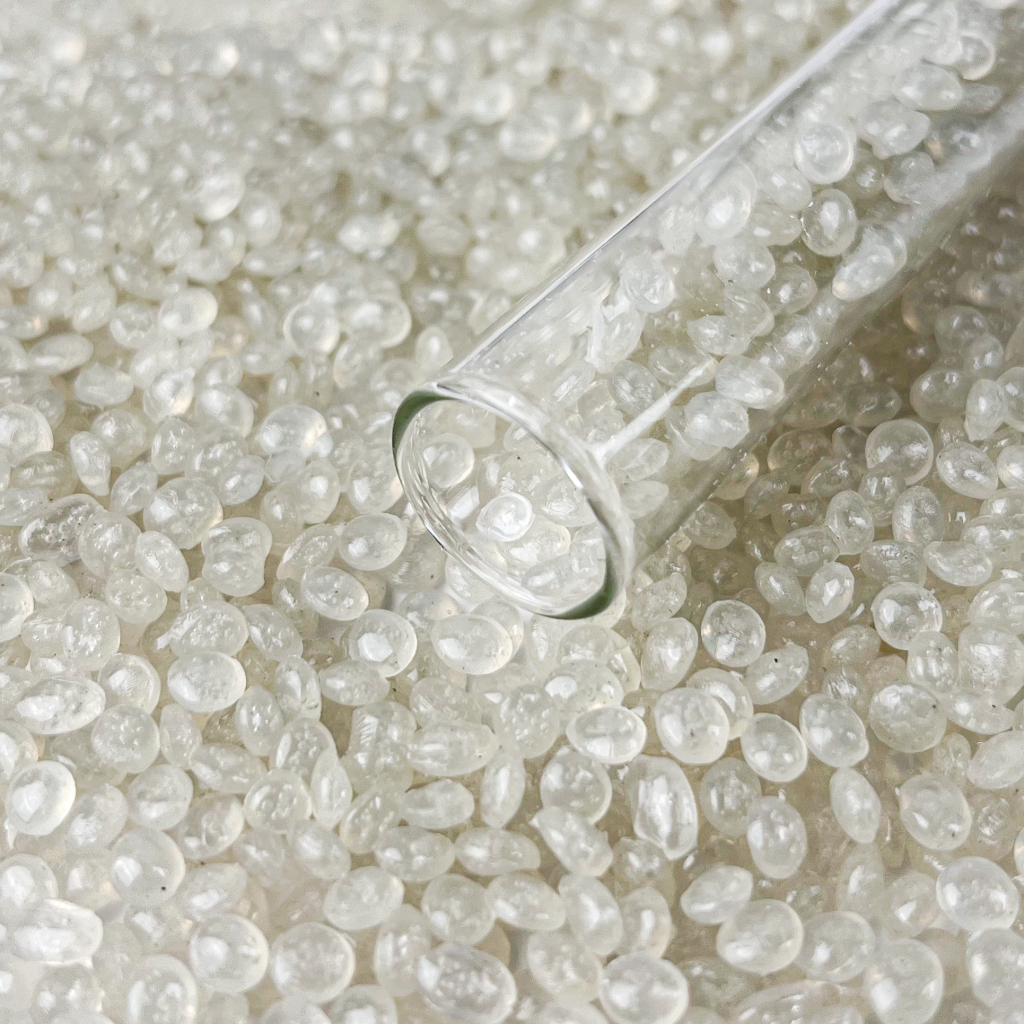
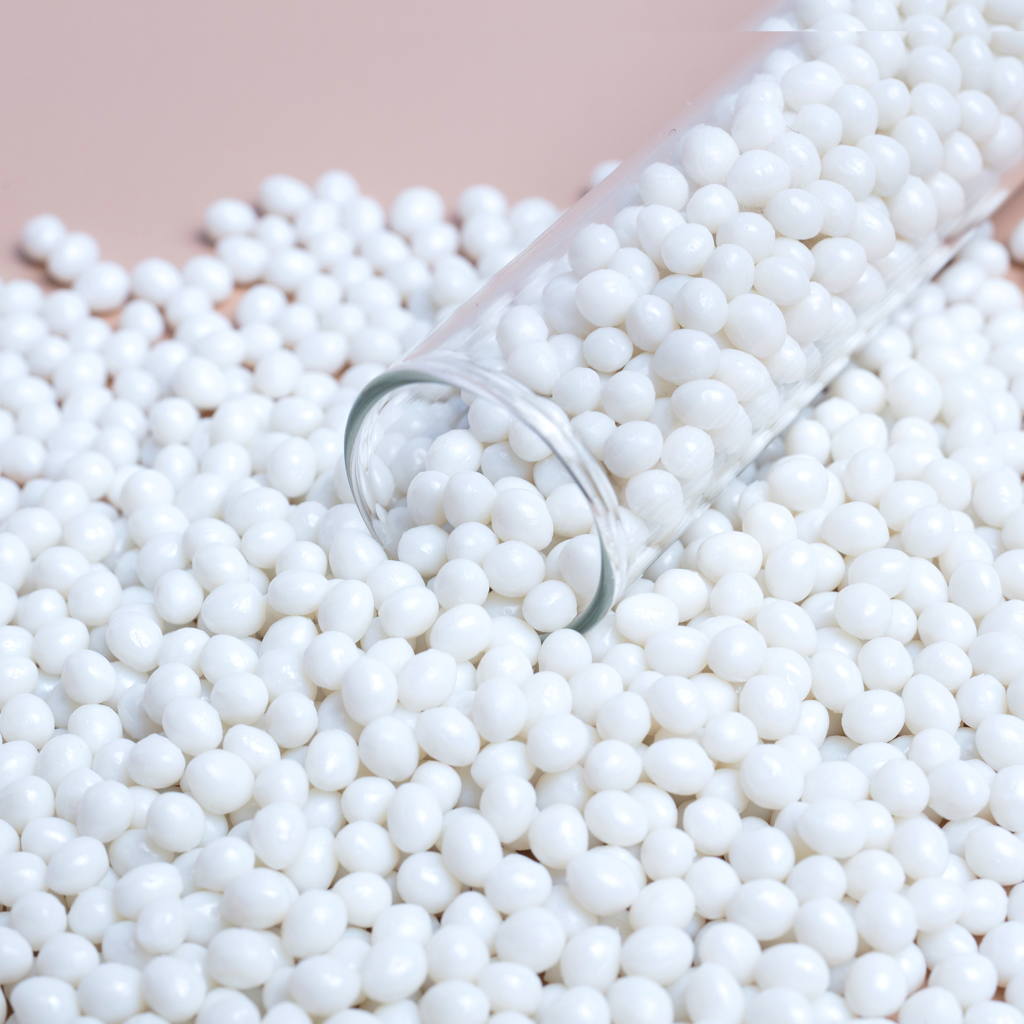
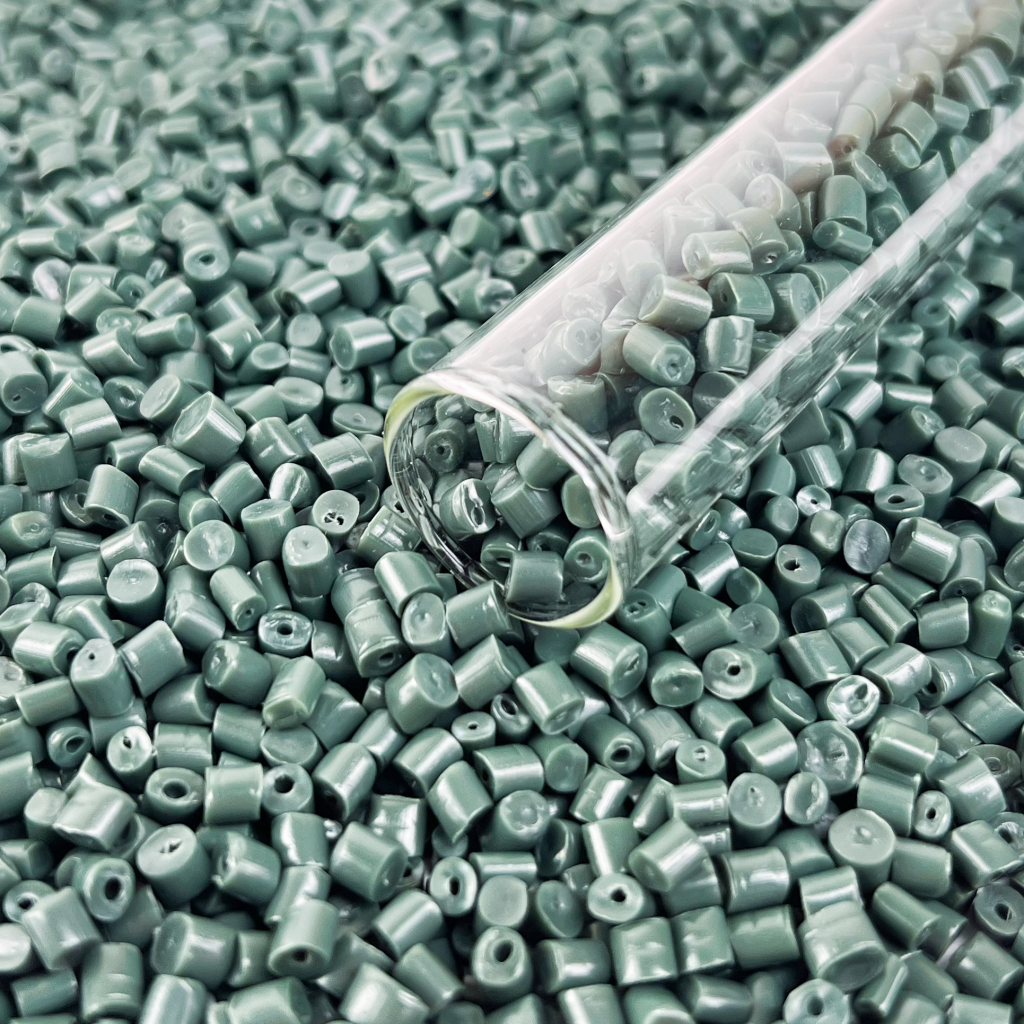
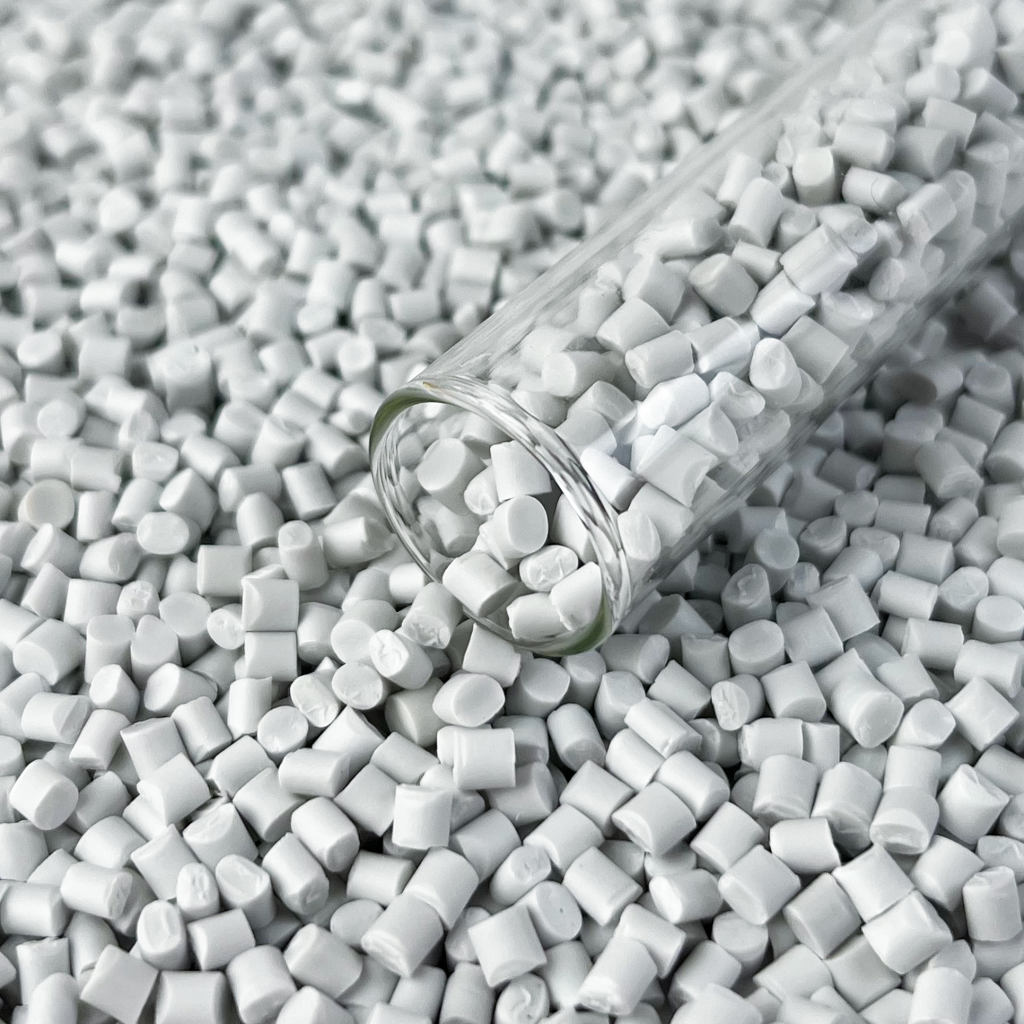
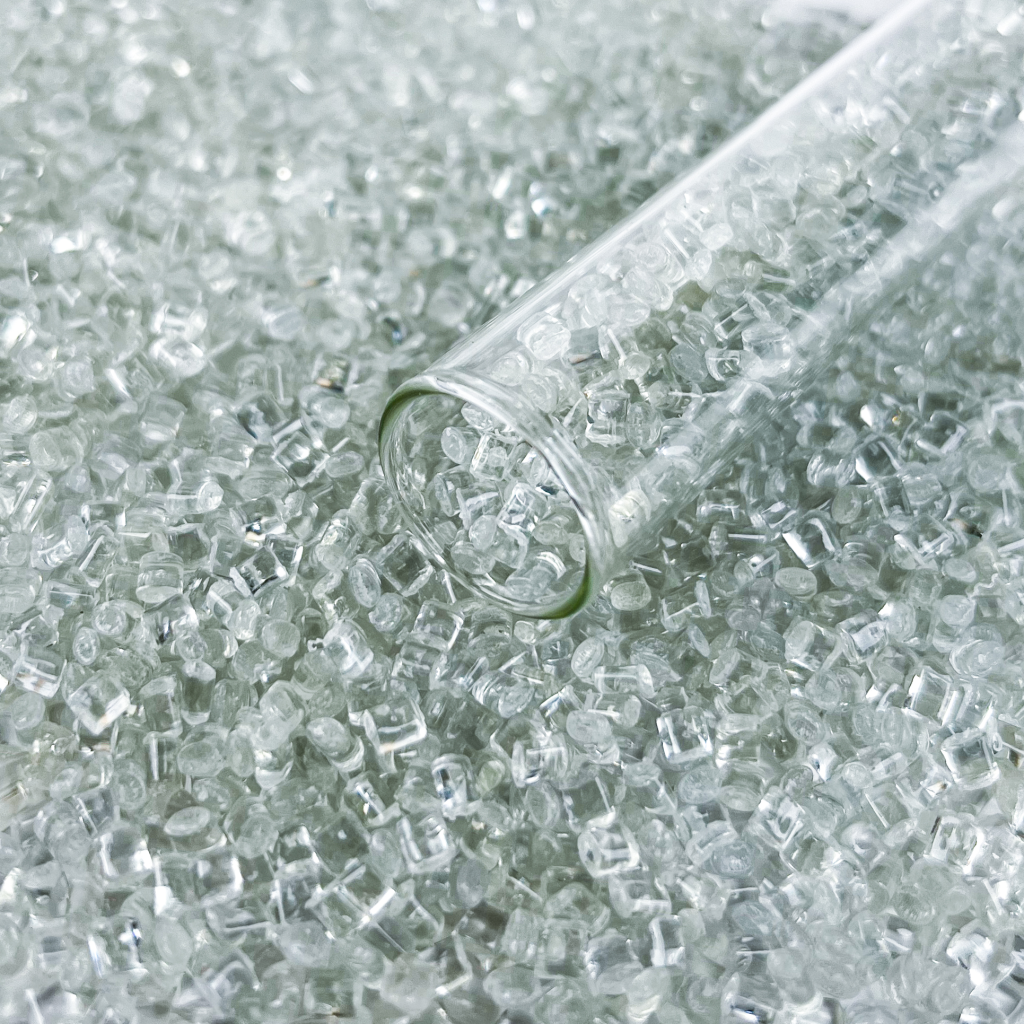
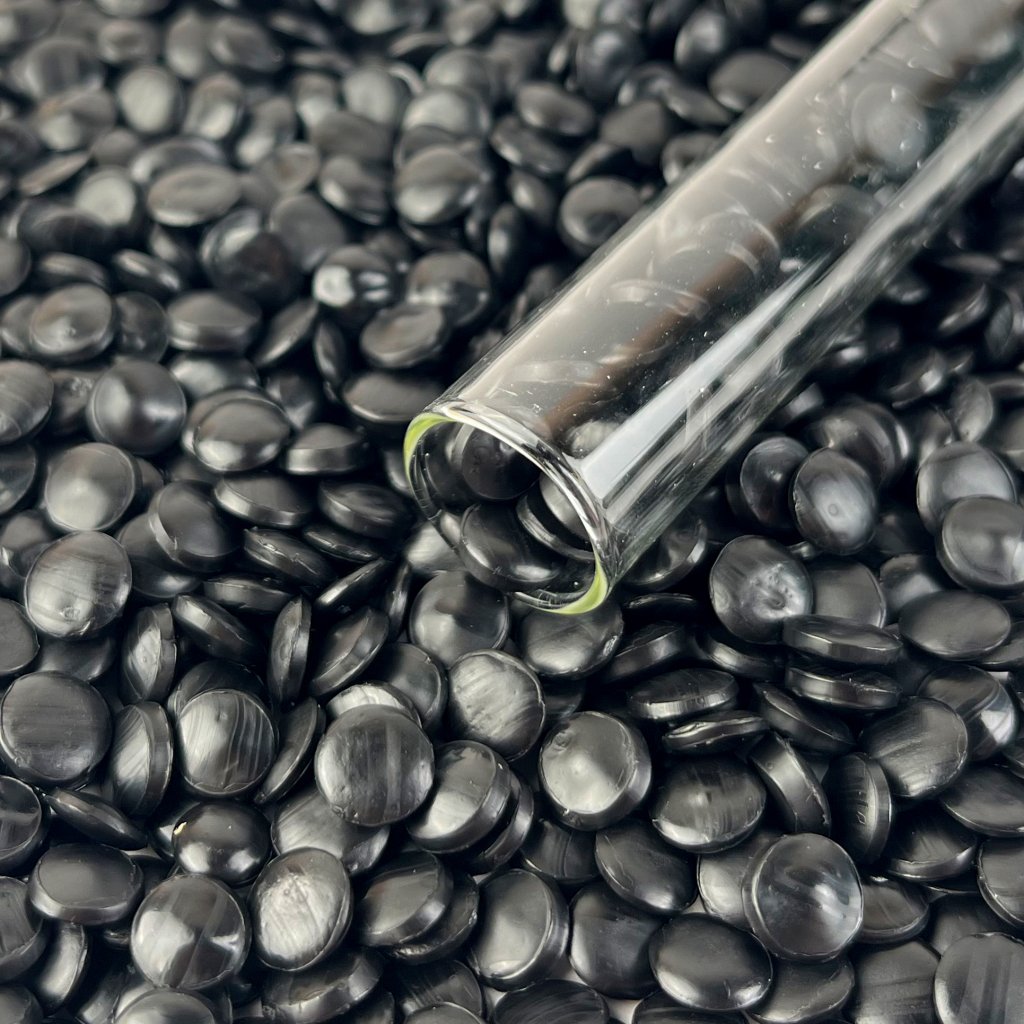
Pelletizing: The melted HDPE is cooled and formed into small pellets, which are now ready for use in the manufacturing of new products. These recycled HDPE pellets are nearly identical in quality to virgin HDPE pellets, offering the same strength and durability for various applications.
Environmental Benefits of Recycled HDPE
One of the most significant advantages of using recycled HDPE is its positive impact on the environment. The process of recycling HDPE requires far less energy compared to the production of virgin plastic. This reduction in energy use leads to fewer carbon emissions and helps conserve natural resources.
By recycling HDPE, we can also help reduce the amount of plastic waste that ends up in landfills or the ocean. Recycling keeps plastic materials in circulation, allowing them to be used again and again, contributing to a more sustainable plastic lifecycle. Additionally, the recycling of HDPE reduces the need for petroleum-based resources, which are used to produce virgin plastic.
Applications of Recycled HDPE Granules
Recycled HDPE granules can be used in a variety of industries, making them a versatile and sustainable material. In packaging, recycled HDPE is commonly used to create bottles, containers, and other packaging materials, providing an eco-friendly alternative to virgin plastic.
Recycled HDPE is also widely used in the construction industry, where it is used to make pipes, landscaping materials, and outdoor furniture. Additionally, it is utilized in automotive parts, household products, and even toys, demonstrating its wide-ranging applications across different sectors.
By incorporating recycled HDPE into their manufacturing processes, companies can contribute to reducing plastic waste while maintaining the same level of performance and durability as products made from virgin plastic.
Challenges in the Recycled HDPE Industry
While the recycling of HDPE has significant environmental benefits, there are challenges that need to be addressed. One of the main challenges is contamination, as plastic waste often contains non-HDPE materials or residues that can affect the quality of the recycled product. Advances in recycling technologies are helping to overcome this challenge by improving sorting and cleaning processes.
Another challenge is the fluctuating market demand for recycled HDPE, which can impact the price and availability of recycled pellets. As the demand for sustainable materials continues to rise, it is expected that the market for recycled HDPE will stabilize and grow, driving further innovations in the recycling process.
The Future of Recycled HDPE
The future of recycled HDPE looks promising, with continued advancements in recycling technologies that allow for more efficient and higher-quality recycling. Innovations such as chemical recycling, which breaks down plastic waste into its original components, are expected to further enhance the quality and potential applications of recycled HDPE.
Additionally, as more countries implement plastic waste reduction policies and sustainability regulations, the demand for recycled HDPE is likely to increase. This shift toward a circular economy will help create a more sustainable plastic industry, where recycled materials are prioritized over virgin plastic.
Conclusion
The recycling of HDPE into high-quality granules is a vital step in reducing plastic waste and promoting sustainable manufacturing. By transforming waste plastic into valuable resources, recycled HDPE offers a cost-effective and environmentally friendly alternative for a wide range of applications, from packaging to construction.
As the recycling process continues to improve and consumer demand for sustainable products grows, the use of recycled HDPE will become even more integral to the plastic industry’s transition toward a circular economy. By supporting HDPE recycling, businesses and consumers alike can help reduce their environmental footprint and contribute to a more sustainable future.