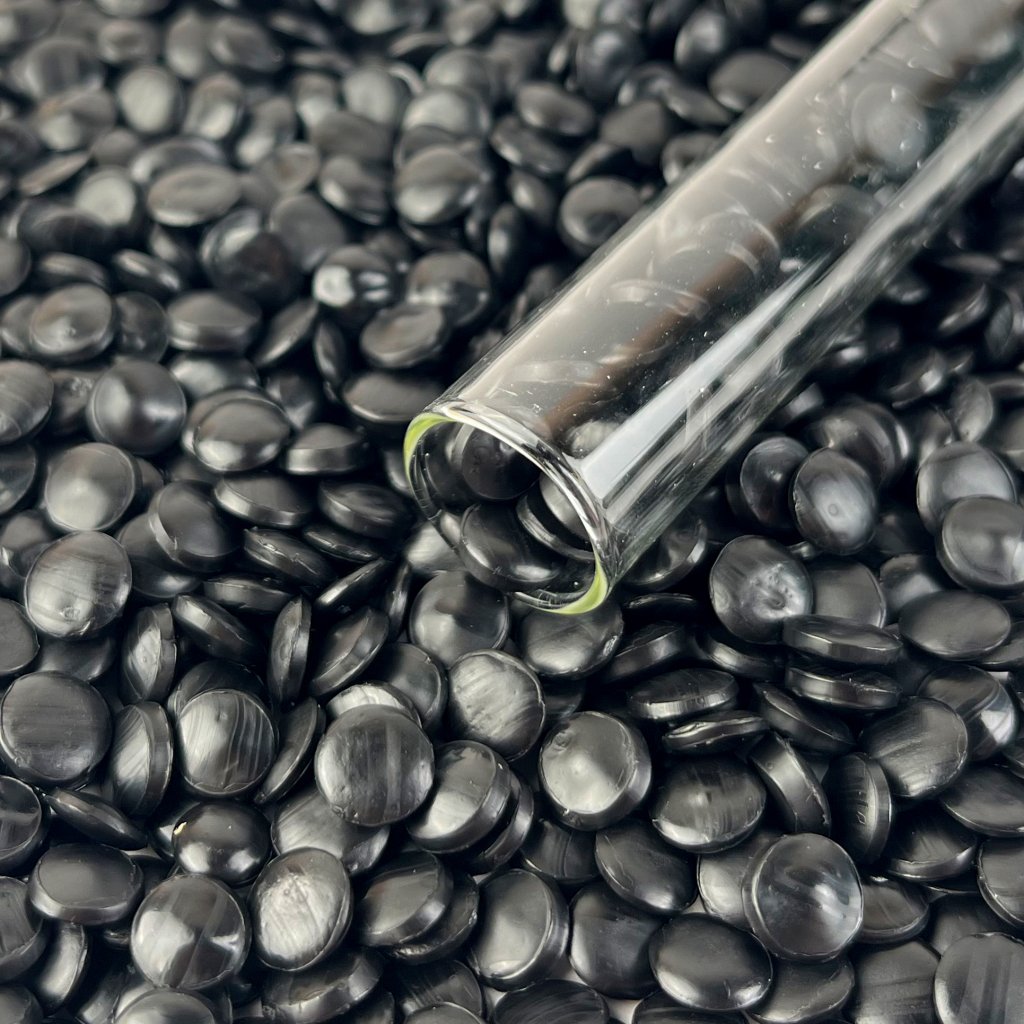
In 2026, the transition toward a circular economy has shifted from a corporate “choice” to a regulatory “mandate.” For global manufacturers, securing a stable supply of high-quality Recycled Polystyrene (RPS) pellets is no longer just about cost-saving—it’s about future-proofing the supply chain. As a leading producer with an annual capacity of 100,000 tons, we analyze the latest price dynamics between Virgin PS and RPS to help you navigate the 2026 market landscape.
The Price Interplay: RPS vs. Virgin PS in 2026
The “Floor Price” of Virgin PS
Historically, RPS prices tracked Virgin PS with a standard discount. In 2026, Virgin PS prices—driven by crude oil fluctuations and styrene monomer (SM) costs—have stabilized around $1,250 – $1,400/t. While this provides a baseline, the RPS market is increasingly decoupling from these traditional petrochemical cycles.

The Rise of the “Green Premium”
High-quality, Post-Consumer Recycled (PCR) RPS is now commanding a premium. This shift is driven by:
-
Regulatory Targets: EU plastic taxes and mandatory recycled content quotas (25-30% in many regions) have surged demand.
-
Carbon Credits: With carbon pricing becoming standardized, the lower carbon footprint of RPS—saving approximately 2.5 tons of CO2 per ton compared to Virgin PS—is being factored into its intrinsic value.
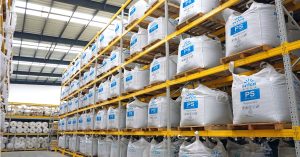
Why Scale Matters: The 100,000-Ton Advantage
In the recycling industry, fragmentation is the enemy of quality. For Tier-1 global buyers, our 100,000-ton annual output offers three critical competitive edges:
Consistency at Scale
Small-scale recyclers often struggle with batch-to-batch variation. Our industrial-grade production lines ensure that Melt Flow Index (MFI), impact strength, and color consistency remain uniform across thousands of tons, minimizing downtime for your injection molding or extrusion lines.
Supply Security in a Volatile Market
Shortages of high-quality scrap can cause price spikes. Our massive throughput allows us to secure long-term feedstock contracts, shielding our partners from the “hand-to-mouth” supply risks typical of smaller recycling facilities.
Cost Optimization
Through economies of scale, we have optimized the energy consumption of the decontamination and pelletizing process. We pass these efficiencies to our clients, offering a price-to-performance ratio that is unattainable for low-volume producers.

Market Outlook: Why Lock in RPS Contracts Now?
As we move through 2026, several factors suggest a tightening of the RPS market:
-
Mandatory Recycled Content: As 2030 deadlines approach, the “scramble for scrap” will intensify.
-
Brand Commitments: Fortune 500 companies in electronics and packaging are aggressively increasing their RPS intake to meet 2026 ESG milestones.
-
The Virgin PS Volatility: While Virgin PS remains tied to geopolitical oil shocks, RPS offers a more localized, resilient supply chain model.
Conclusion: Partnering for a Sustainable Future
Choosing an RPS supplier with a 100,000t capacity means choosing reliability, quality, and a significant reduction in your Scope 3 emissions. In the 2026 market, the most successful brands will be those that secure their green material pipelines today.